Run Your Creative Business Like a Retail Store: The Quarterly Restock Ritual
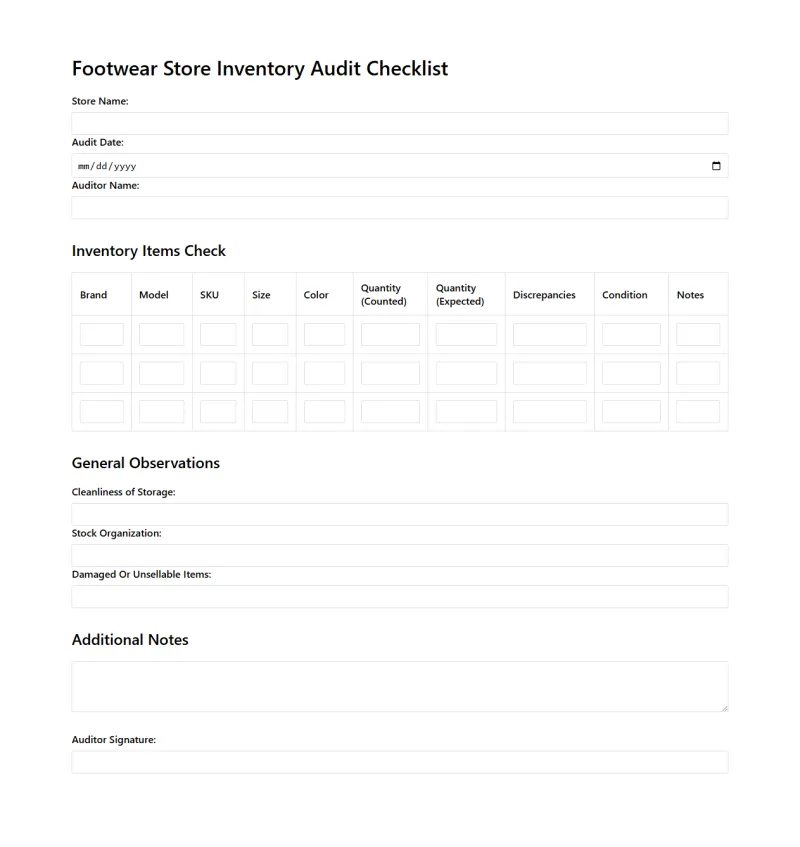
Photo: organized retail store shelves inventory audit checklist, via documentof.com
Walk into any well-run retail shop and you'll find a ritual most creators have never adopted: the quarterly inventory count. Every three months, the store looks at what's selling, what's gathering dust, and what needs to be on the shelf next season. It's not glamorous. It's why they're still open.
Creators, by contrast, tend to run on autopilot. The course from two years ago is still for sale. The template pack nobody buys is still listed. The service tiers haven't been touched since the business changed shape. Nothing is broken, exactly—but nothing is tended, either.
The fix is a habit we call the quarterly restock, and there's a built-in reason to adopt it: tax quarters. For US creators filing quarterly estimated taxes, March, June, September, and December already demand your financial attention. Sync your business review to that rhythm and you turn a chore into a strategy session.
Step 1: Count What You Actually Have
Before you plan anything, list every offer currently 'on the shelf': products, services, template packs, memberships, affiliate arrangements. For each one, pull three numbers—revenue this quarter, hours it consumed, and customer feedback (reviews, replies, support emails).
This is your inventory count. Most creators who do it for the first time discover that 20% of their offers generate 80% of their income—and that one or two products are quietly costing them money in maintenance time.
Step 2: Sunset the Dusty Stuff
Retail calls it markdown. You can call it whatever softens the blow, but the action is the same: stale offers either get refreshed, discounted into a bundle, or retired.
A product isn't a failure because it stops selling—offerings have seasons like anything else. Sunsetting the old free's up space and attention for what's next. And a 'retired' product often finds a second life as a bonus inside a bigger offer, which is a win-win.
Step 3: Restock Your Systems, Not Just Your Products
Here's where the ritual goes beyond retail: your templates and workflows are inventory too. Each quarter, audit them:
- Which templates did you actually use? Which sat untouched?
- Where did you rebuild something from scratch that should've been a saved template?
- Is any tool in your stack no longer earning its subscription?
Every process you did manually more than twice this quarter is a candidate for a template. Every template you haven't opened in six months is a candidate for deletion. Your system should look like a well-stocked shelf, not a storage unit.
Step 4: Plan the Next 90 Days
Close the ritual with a simple planning page: one revenue goal, one launch or offer, one system improvement, and one thing to stop doing. That's it. Ninety days is long enough to finish something real and short enough to stay honest.
Your Quarterly Restock Checklist
- List all active offers with revenue, hours, and feedback
- Flag the top performer and the weakest performer
- Refresh, bundle, or retire each stale offer
- Audit templates: used, unused, or missing
- Review tool subscriptions against actual usage
- Set one revenue goal and one launch for next quarter
- Name one process to template and one habit to drop
Do this four times a year, lined up with your estimated tax deadlines, and something shifts: your business stops being a pile of accumulated decisions and starts being a curated shelf. Retail figured this out a century ago. It's time creators caught up.